


Most homeowners know that replacing an HVAC air filter is part of routine maintenance, but it’s only one piece of the puzzle. Heating and cooling systems depend on several factors working together to keep a home comfortable. When airflow is restricted, insulation is lacking, or small maintenance tasks are overlooked, even a well-built system can lose efficiency over time. Homeowners researching HVAC maintenance plans for homeowners often discover that improving system performance doesn’t always require expensive repairs. In many cases, small changes around the home can make a noticeable difference.
The key is to think of your HVAC system as part of your entire home rather than a single appliance. From the thermostat on the wall to the vents in each room, every component plays a role in maintaining comfort. By giving attention to these areas throughout the year, homeowners can improve efficiency, reduce unnecessary wear, and help their equipment perform more consistently.
1. Start With a Clean Air Filter
Air filters are designed to capture dust, pollen, and other airborne particles before they enter the HVAC system. Over time, these particles build up and restrict airflow, forcing the system to work harder to circulate conditioned air throughout the home. This extra effort can increase energy use while placing additional strain on important components.
Replacing the filter regularly is one of the simplest maintenance tasks homeowners can perform. The ideal replacement schedule depends on factors such as the type of filter, household occupancy, indoor pets, and local air quality. Checking the filter every month and replacing it when it appears dirty helps maintain healthy airflow and supports efficient system operation.
2. Make Sure Air Can Move Freely
Even the most efficient HVAC equipment can’t perform properly if conditioned air can’t reach every room. Blocked supply or return vents are a common but often overlooked problem. Furniture, rugs, curtains, and storage boxes can all interfere with airflow, creating uneven temperatures throughout the home.
It’s also important to avoid closing vents in rooms that aren’t frequently used. While it may seem like a good way to save energy, doing so can upset the balance of airflow within the system and make it work harder. Walking through the house every few months to ensure vents remain open and unobstructed is a simple habit that can improve overall comfort.
3. Let Your Thermostat Work Smarter
Your thermostat serves as the control center for your HVAC system. Frequently adjusting the temperature throughout the day may seem harmless, but large temperature swings often cause the system to run longer than necessary.
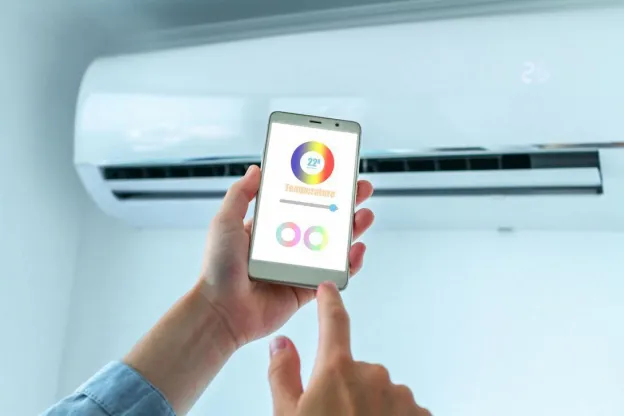
A programmable or smart thermostat helps maintain a more consistent indoor environment by automatically adjusting temperatures based on your schedule. Instead of manually changing settings throughout the day, homeowners can create routines that improve both comfort and energy efficiency. Proper thermostat placement also matters. Devices installed near windows, direct sunlight, or heat-producing appliances may not accurately reflect the home’s actual temperature.
4. Don’t Forget About the Outdoor Unit
While most homeowners focus on the equipment inside the house, the outdoor condenser deserves equal attention. This unit releases heat removed from the home, and it relies on unrestricted airflow to operate efficiently.
Leaves, grass clippings, weeds, and other debris can gradually collect around the condenser, making it harder for the system to release heat. Keeping at least a few feet of open space around the unit allows air to circulate freely. Periodically checking the outdoor equipment after storms or seasonal yard work also helps prevent unexpected performance issues.
5. Improve the Home, Not Just the HVAC System
Sometimes the problem isn’t the heating and cooling equipment at all. Air leaks around windows and doors, inadequate attic insulation, or poorly sealed ductwork can allow conditioned air to escape before it reaches the living space.
Improving your home’s overall energy efficiency reduces the workload placed on the HVAC system. Sealing gaps, adding insulation where needed, and keeping doors and windows properly weatherproofed help maintain stable indoor temperatures for longer periods. These improvements often work together with routine HVAC maintenance to deliver better long-term results than equipment upgrades alone.
6. Schedule Professional Maintenance Every Year
Even if your HVAC system appears to be working normally, professional maintenance remains one of the best ways to protect your investment. During a routine service visit, technicians inspect electrical connections, clean important components, verify airflow, check refrigerant levels when necessary, and identify worn parts before they become larger problems.
Preventive maintenance not only helps improve efficiency but also reduces the likelihood of unexpected breakdowns during the hottest or coldest months of the year. Keeping up with annual inspections can extend equipment lifespan while giving homeowners greater confidence that their system is ready for seasonal demands.
Quick Habits That Support Better HVAC Performance
Good maintenance isn’t limited to annual service appointments. Small habits throughout the year can also improve how efficiently your system operates.
● Replace air filters as recommended.
● Keep supply and return vents free from obstructions.
● Trim plants and remove debris around the outdoor condenser.
● Seal noticeable air leaks around windows and doors.
● Use ceiling fans to improve indoor air circulation.
● Schedule professional maintenance before peak heating and cooling seasons.
When combined, these simple practices reduce unnecessary strain on the HVAC system and help maintain consistent indoor comfort.
Final Thoughts
Improving HVAC performance isn’t usually about making one expensive upgrade. Instead, it’s the result of several small maintenance habits that work together to support better airflow, greater efficiency, and more reliable operation. Looking beyond the air filter allows homeowners to identify other factors that may be affecting comfort and energy use.
By combining regular maintenance with simple improvements around the home, it’s possible to help your HVAC system perform at its best throughout every season. A little attention today can reduce future repairs, improve indoor comfort, and help your equipment continue operating efficiently for years to come.