

Longevity in Building: What You Need to Know
When it comes to selecting materials and methods for constructing buildings, one of the primary considerations sweeping the industry is longevity. After all, a building is a significant investment that should stand the test of time, providing utility, safety, and comfort for decades to come. Among the myriad of construction materials available, steel is increasingly recognized for its durability and sustainability. But what factors contribute to a building’s longevity, and how can you ensure your project is set up for success?
Understanding Building Longevity
Building longevity essentially refers to how long a building can remain functional and safe without requiring substantial repairs or renovations. This not only involves the physical structure but also takes into account the maintenance efforts and costs over time. Achieving longevity starts from selecting the right building materials and design approaches that cater to the intended use and environmental conditions.
The Role of Steel in Durability
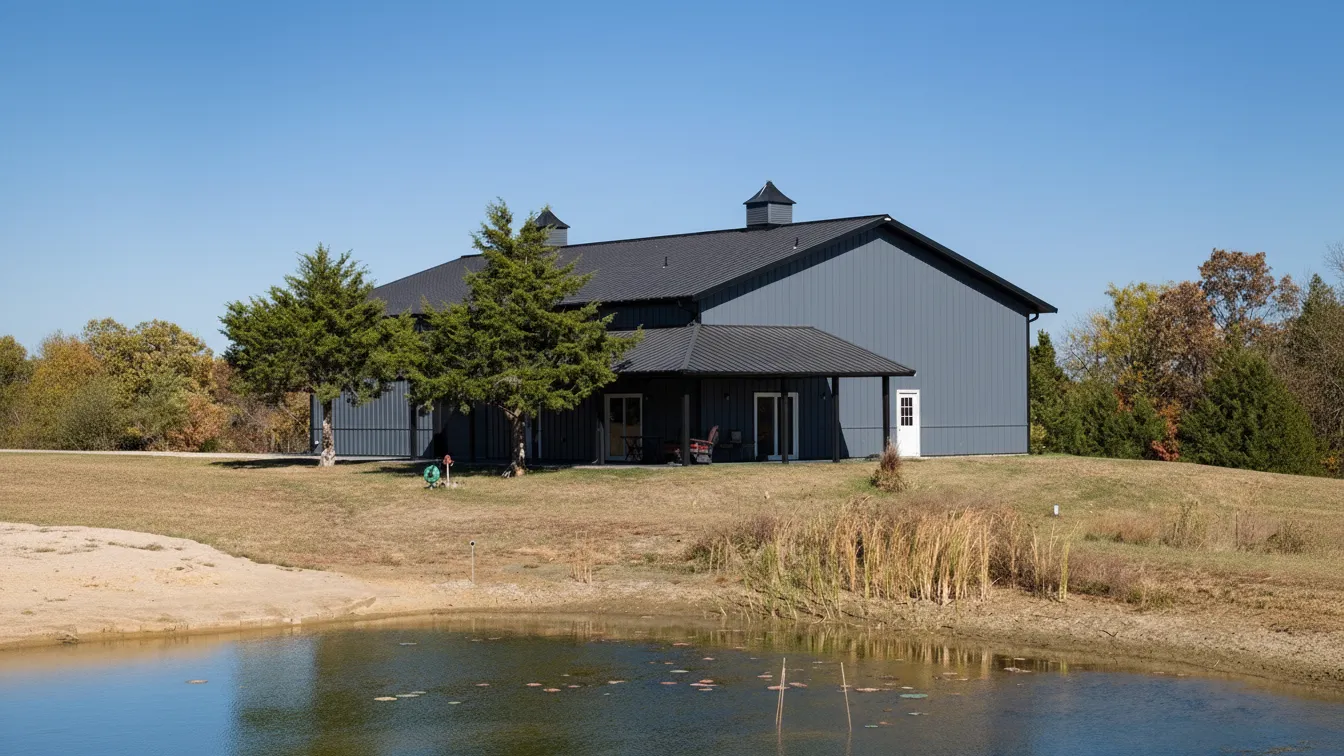
Steel has become a cornerstone in achieving durable building constructions, largely due to its formidable strength and resilience. It is resistant to common issues like rot, termites, and extreme weather conditions—all factors that can drastically shorten the lifespan of a building. For Canadian climates, where harsh winters can take a toll on traditional building materials, steel stands out as a reliable choice.
Moreover, steel’s ability to blend with various architectural designs without compromising aesthetic appeal makes it a versatile option. To explore adaptable and robust designs, consider consulting with Your Building Team, experts who can guide you through the specifics of creating a lasting structure using steel.
Factors Affecting a Building’s Lifespan
While material choice is paramount, several other factors play critical roles in determining a building’s longevity:
-
Design Planning: Effective design planning considers the intended use of the building, estimated lifespan, and future scalability. Modular and prefabricated steel designs often offer significant advantages here.
-
Construction Quality: The assembly process itself must adhere to high standards to ensure the building can withstand environmental pressures over the years. Precision in construction is particularly important for steel buildings.
-
Regular Maintenance: Establishing a proactive maintenance schedule can prevent minor issues from developing into serious structural problems.
The Benefits of Steel Building Kits
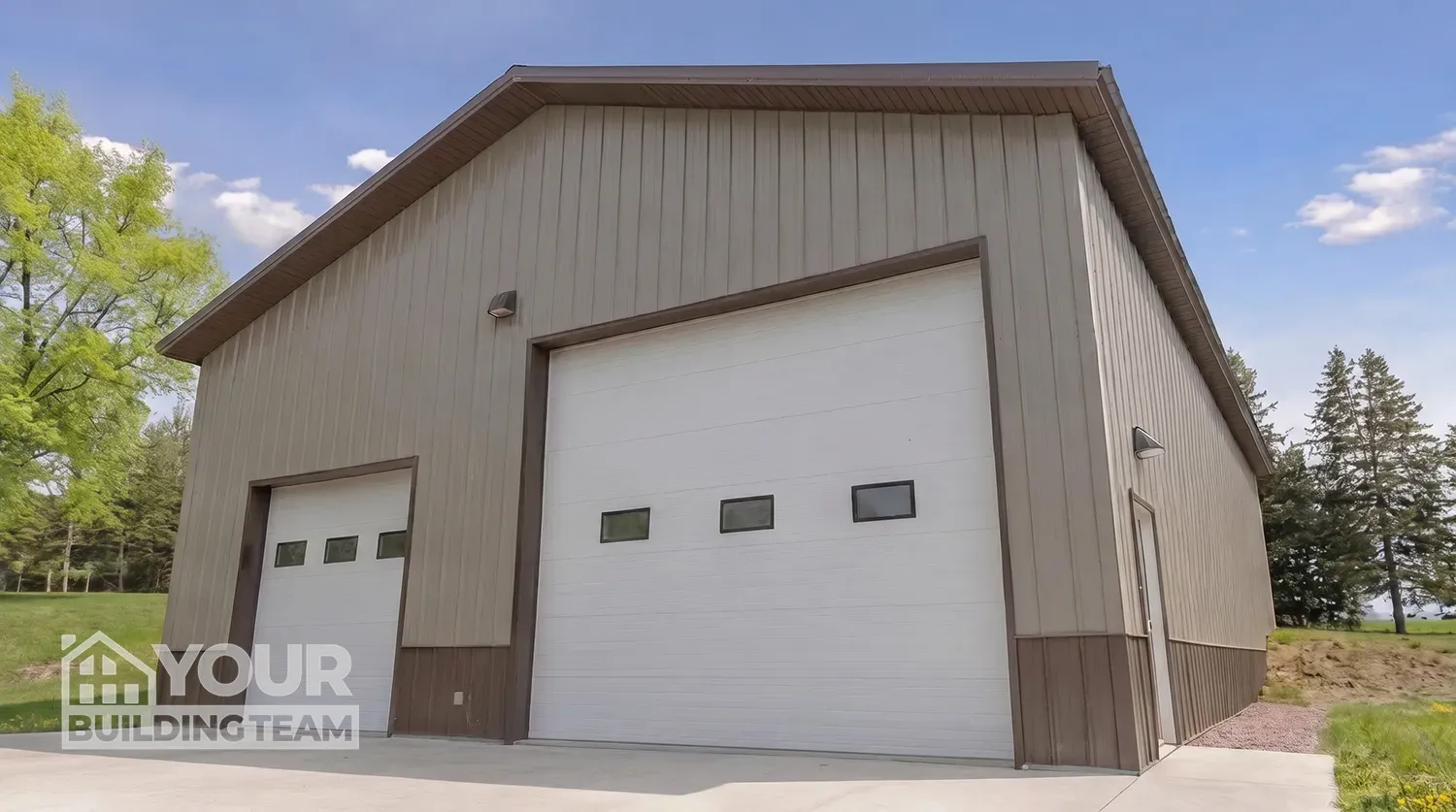
For many builders and property owners, steel building kits have emerged as a popular choice. Kits like the 30×40 Steel Building Kit offer a practical solution that streamlines construction while ensuring durability and longevity. These kits are designed to be customizable, allowing you to adjust layouts and configurations to meet specific needs without losing structural integrity.
Additionally, steel kits have proven beneficial in reducing construction time. Unlike traditional building methods that can span months, steel kit buildings can be erected in a matter of weeks, minimizing labor costs and potential weather-related delays. This efficiency does not compromise the longevity but rather enhances it as the quick assembly reduces exposure to adverse construction conditions.
Environmental Considerations
In today’s era of eco-awareness, the long-term environmental impact of building materials is a crucial consideration. Steel is incredibly sustainable due to its recyclable nature. It can be repurposed without loss of quality, which aligns well with Canada’s growing emphasis on environmentally friendly construction practices. Adopting steel building solutions not only contributes to sustainability but also positions your structure to meet future regulatory standards and community expectations.
Future-Proofing Your Building
To ensure a building remains viable and safe in the long run, it’s important to take steps that “future-proof” the structure. Future-proofing involves anticipating and mitigating potential challenges that could arise from advancements in technology, changes in climate, or shifts in building regulations. Steel buildings have the potential for easy updates and modifications, supporting the evolving needs of occupants without extensive overhauls.
Incorporating smart technologies like energy-efficient lighting or climate control systems can further enhance the lifespan of your building by reducing utility costs and maintaining a comfortable environment. Efficient energy use can prevent over-working HVAC systems, thereby reducing maintenance and extending system life.
Conclusion
As you embark on the journey to construct a durable and long-lasting building, understanding the important role of materials, design, and maintenance is crucial. Prioritize materials like steel that offer proven longevity, and work with seasoned experts such as Your Building Team to leverage their experience in creating buildings that withstand the passage of time.
The ultimate goal is to create a structure that not only meets your current needs but continues to serve you well into the future. By choosing steel and implementing comprehensive planning and maintenance strategies, you’re investing in a resilient future for your assets.