


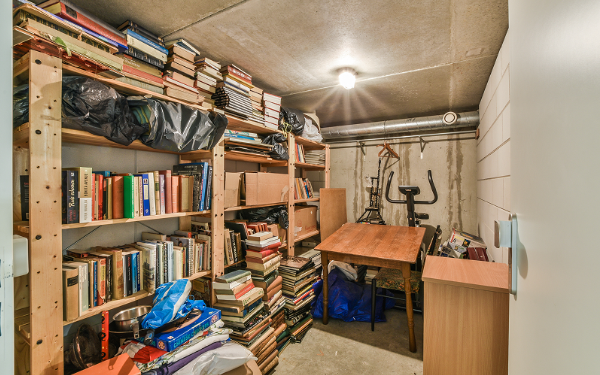
So, you’ve packed the house, labelled every box, and now you’re staring at a wide, empty unit waiting to be filled. But not everything deserves a spot inside. When it comes to storage unit rentals, there are clear limits, and ignoring them can lead to a smelly, sticky, or dangerous mess. Let’s go over what not to stash away, no matter how tempting it might seem.
Perishables Are a No-Go
Food might feel harmless, but storage units and perishables are a terrible combo. Anything that can rot, melt, or attract bugs is best kept out. That includes dry goods, leftovers, fresh produce, and pet food. Once ants, rats, or mould move in, you’ll have more than just a ruined stash; you’ll have a full-blown infestation.
Most storage units don’t offer climate control or ventilation. Food items spoil fast in Singapore’s humidity. Even vacuum-packed snacks attract pests. If you’re planning a kitchen clean-out, bring the biscuits home.
Living Things Don’t Belong
It may sound obvious, but people have tried. Plants, animals, and people should never end up behind a roll-up door. A secure storage space is meant for belongings, not breathing things. Units are dark, closed, and without airflow. Nothing living will thrive in there, not even the cactus you forgot.
Fish tanks, pet cages, or terrariums should stay out, too. The temptation to “temporarily” house pets during a move can be strong, but facilities aren’t built for it. Always arrange a proper sitter, not a metal unit.
Hazardous Items Raise Red Flags
If it can catch fire, explode, corrode, or leak, it has no place in storage. That includes gas canisters, fireworks, paint thinners, and petrol. These items might sit quietly in your shed, but enclosed spaces and heat multiply the risks.
Cleaning chemicals and batteries fall into this group, too. They can leak fumes or react with other materials. If you’re unsure whether something’s hazardous, the safest bet is to leave it out. For most storage unit rental providers, this isn’t just advice, it’s policy.
Cash and Valuables? Think Again
You may trust your unit, but that doesn’t make it a vault. Large sums of money, jewellery, passports, and rare collectables are best kept in a bank or personal safe. Even in a secure storage space, these items carry too much risk. Insurance rarely covers cash or certain valuables in storage. If anything happens, you’re left out of pocket. It’s safer to keep your most prized items close; a storage unit for valuable items should be a last resort.
CHECK OUT: Air Conditioned Storage Space vs. Conventional Storage: Which Facility Is Right for You?
Scented Items Bring Unwanted Attention
Strong-smelling goods like candles, perfumes, and soaps can cause trouble in storage. Scents attract pests and can seep into other items, especially fabric and paper. If you’re storing clothes or books, you don’t want them smelling like lavender mixed with kerosene. Seal these items in plastic bins or avoid storing them altogether.
Wet or Damp Items Will Spoil the Fun
Mould is the last guest you want in your storage unit. Any item that’s damp, freshly washed, or waterlogged can grow mildew and damage other things. Clothes, curtains, and even garden tools should be completely dry. Moisture spreads fast. What starts as a damp towel can ruin a whole room of furniture. Always double-check that everything is dry, and throw in some moisture absorbers for good measure.
Weapons and Ammunition Are a Definite No
Weapons, ammunition, and anything resembling a firearm are banned in most facilities. These aren’t just risky, they raise legal issues. Even antique or display-only pieces can be restricted. Most storage unit rental operators list these as prohibited. If you’re unsure, check local rules or ask before moving anything in. It’s better to ask first than regret it later.
Electronics Might Not Fare Well
You can store electronics, but carefully. Items like TVs, laptops, and game consoles don’t like heat or humidity. Without temperature control, they can warp or short-circuit over time. If you must store electronics, remove batteries and wrap items in anti-static covers. For long-term storage, it might be smarter to keep tech at home or sell unused items.
Documents and Important Papers Are Risky
While it’s common to box up papers during a move, important documents like birth certificates, wills, or contracts can be damaged by moisture or pests. A secure storage space may seem fine, but these items are better kept in locked cabinets or digital formats. If you must store papers, use waterproof folders and elevate them. Still, weigh the risk. A lost receipt is fine. A lost passport isn’t.
Be Smart About What You Store
Storage units are great for furniture, boxes, sports gear, and seasonal items, but not everything belongs there. If it smells, leaks, breathes, or explodes, keep it out. Being picky now saves you from dealing with bugs, mould, or worse later. Follow the rules, pack wisely, and avoid cutting corners. The more carefully you choose what to store, the smoother things go.
Check out SpaceHub to find secure, sensible storage options that keep your belongings safe and your worries boxed away.